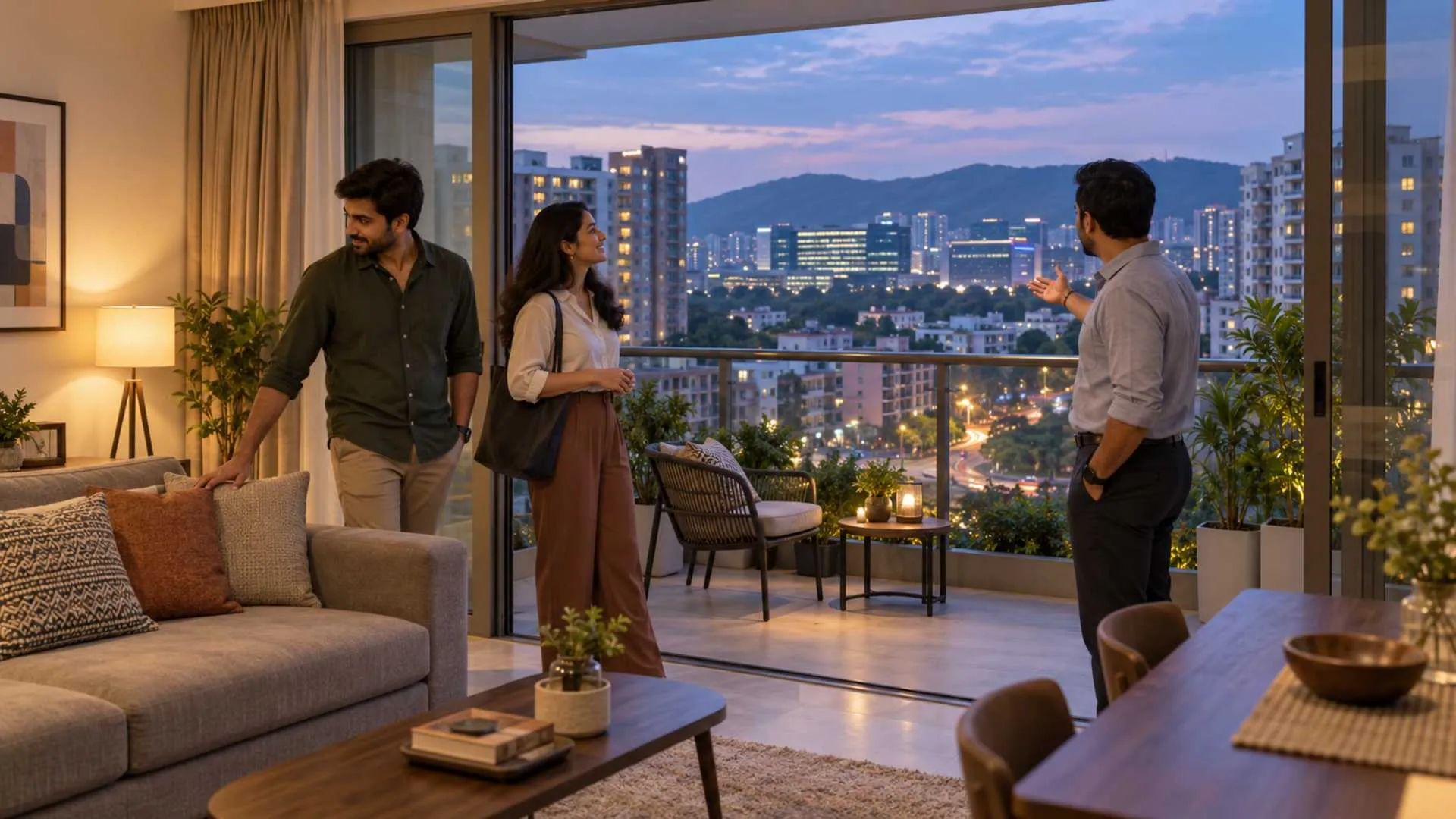


Powai Real Estate 2026: Is Premium Living Worth the Price?
Powai Real Estate 2026: Is Premium Living Worth the Price?
SHARE:
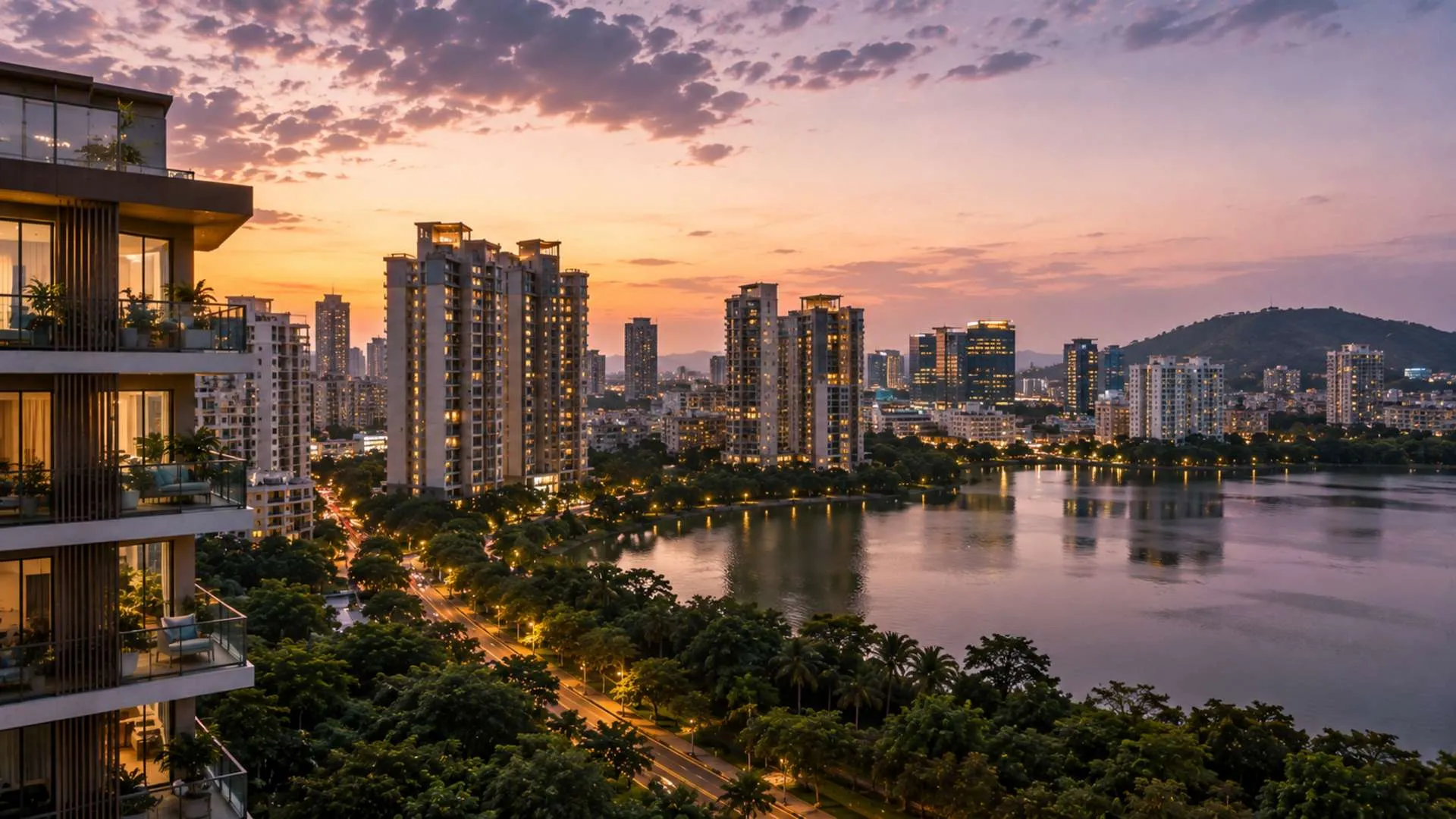
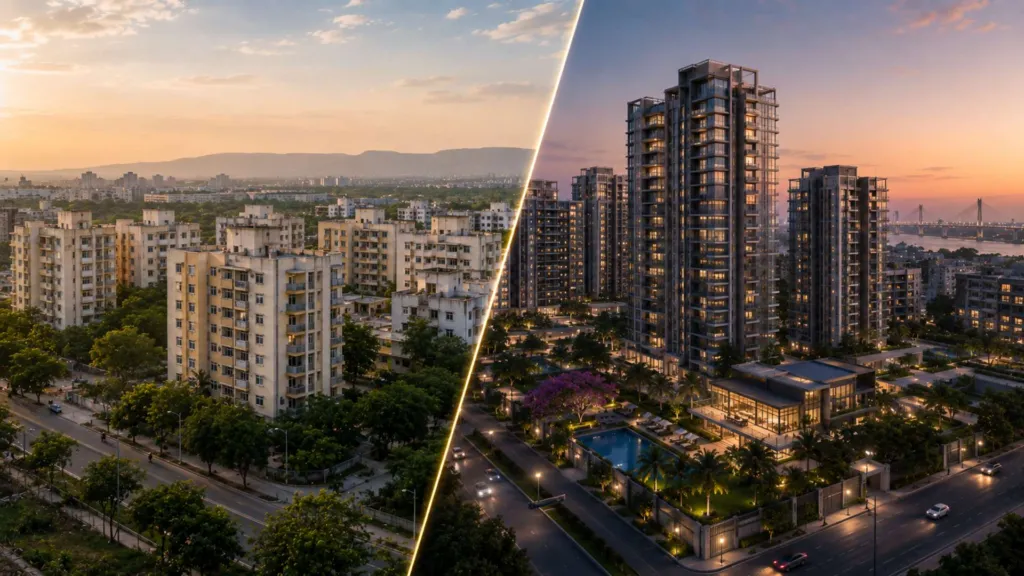
Few Mumbai neighborhoods can boast the success of Powai, which functions as a self-sustaining urban district yet is still linked to the city’s primary employment corridors. The lake, IIT Bombay, corporate offices, premium schools, gated communities and the Hiranandani skyline have made an eastern suburb one of Mumbai’s most recognizable residential addresses.
But recognition carries a hefty price tag.
The Powai real estate premium living cost Mumbai 2026 equation is causing buyers to question if they are paying for real long-term value or just paying for the Powai name. But the answer is more complicated than a simple yes or no, because asking prices today vary wildly by micro-market, project, age and view.
Is Powai worth the premium price in Mumbai?
Powai can justify its premium for buyers who value established social infrastructure, corporate proximity, strong rental demand and a mature lifestyle ecosystem. However, buyers focused primarily on maximum carpet area or lower entry prices may find better value in Vikhroli, Kanjurmarg and adjoining eastern suburbs.
Powai Is Expensive, but There Is No Single ‘Powai Price’
One number does not accurately describe the Powai property prices cost of living guide 2026.
Housing currently reports an average apartment rate of approximately ₹31,071 per sq. ft., with prices up 7.84% year-on-year. Within Hiranandani Gardens, its locality data shows an average of roughly ₹37,442 per sq. ft. The broader Powai listing range extends considerably higher depending on the property.
That is important because some keyword estimates circulating online, such as Powai ₹40,850 per sq. ft. or Hiranandani Gardens Powai ₹50,950 per sq. ft. premium, should not be treated as universal market averages. Premium new launches, lake-facing apartments and individual buildings can command much higher rates than locality-wide averages.
The Propertist similarly places standard Powai apartments broadly around ₹20,000–₹30,000 per sq. ft., while premium lake-facing properties in top developments can reach ₹35,000–₹60,000-plus per sq. ft.
In other words, the question is not simply “How expensive is Powai?” It is “Which Powai are you buying?”
What Does a 2BHK in Powai Actually Cost in 2026?
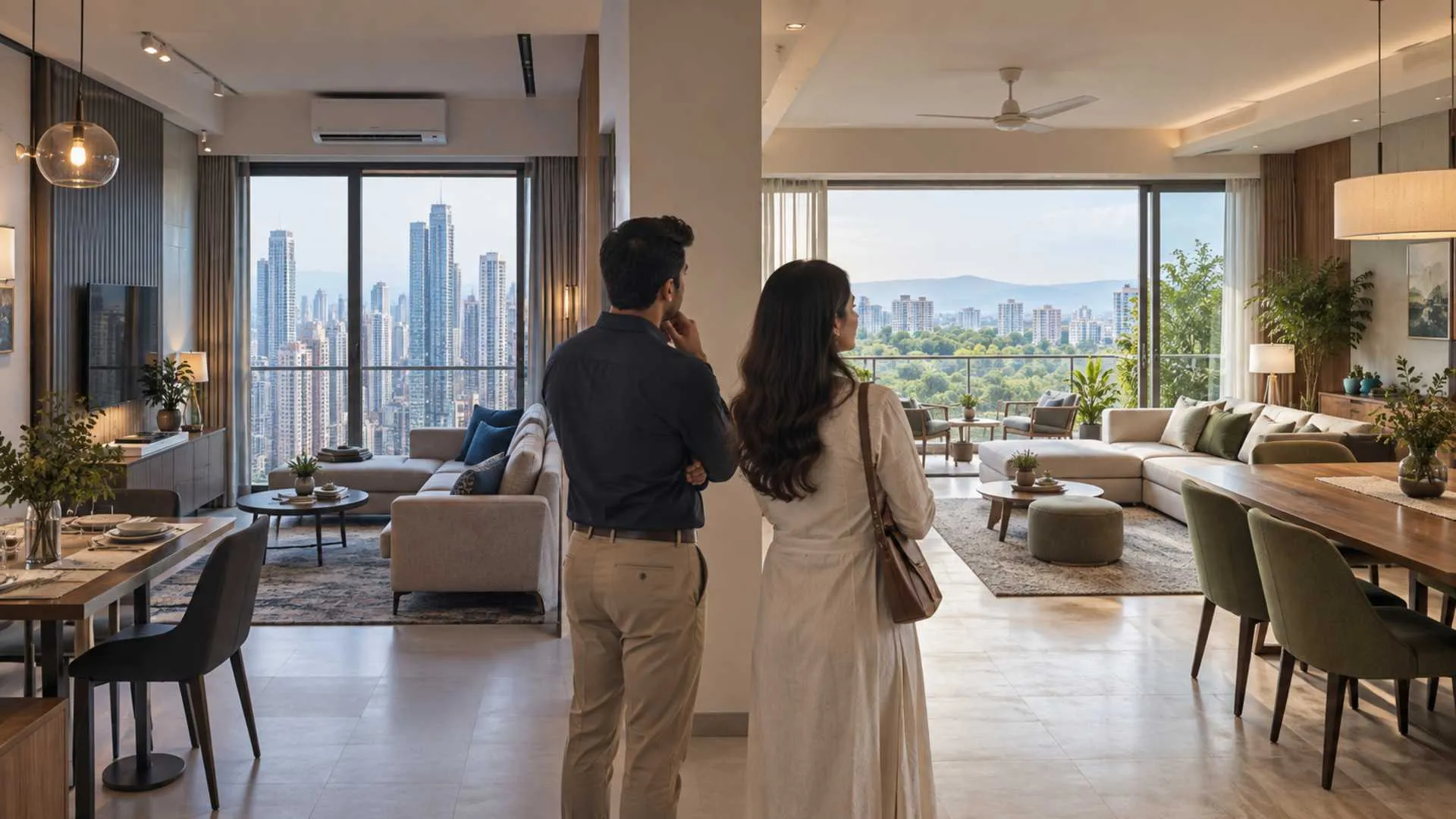
For anyone asking how much a 2BHK costs in Powai, Mumbai, in 2026, the answer can be uncomfortable.
The Propertist estimates a typical 2BHK of around 700–980 sq. ft. at approximately ₹1.9 crore to ₹3.2 crore, with monthly rents of roughly ₹55,000–₹90,000. Current Housing listings illustrate that spread: examples include 2BHK units around ₹2.35–₹2.4 crore, while a Hiranandani Avalon listing is considerably higher at ₹3.75 crore.
Inside Hiranandani Gardens, HomeBazaar indicates that 2BHK homes can broadly range from ₹2.8 crore to ₹4.05 crore, depending heavily on building, carpet area and other characteristics.
That means the frequently searched Powai 2BHK ₹2.18–₹3.33 crore lake-facing premium is best viewed as a directional bracket, not a fixed market rule.
For an average salaried Mumbai household, therefore, Powai is no longer an easy upgrade. It is increasingly a high-income, dual-income or equity-assisted purchase.
Why Does Powai Command Such a Premium?
There is a reason buyers continue paying it.
Powai combines IIT Bombay, Powai Lake, Hiranandani Gardens and a significant corporate ecosystem within the same neighbourhood. The Propertist highlights companies and business infrastructure alongside retail destinations and schools such as VIBGYOR High, Podar International and Ryan International.
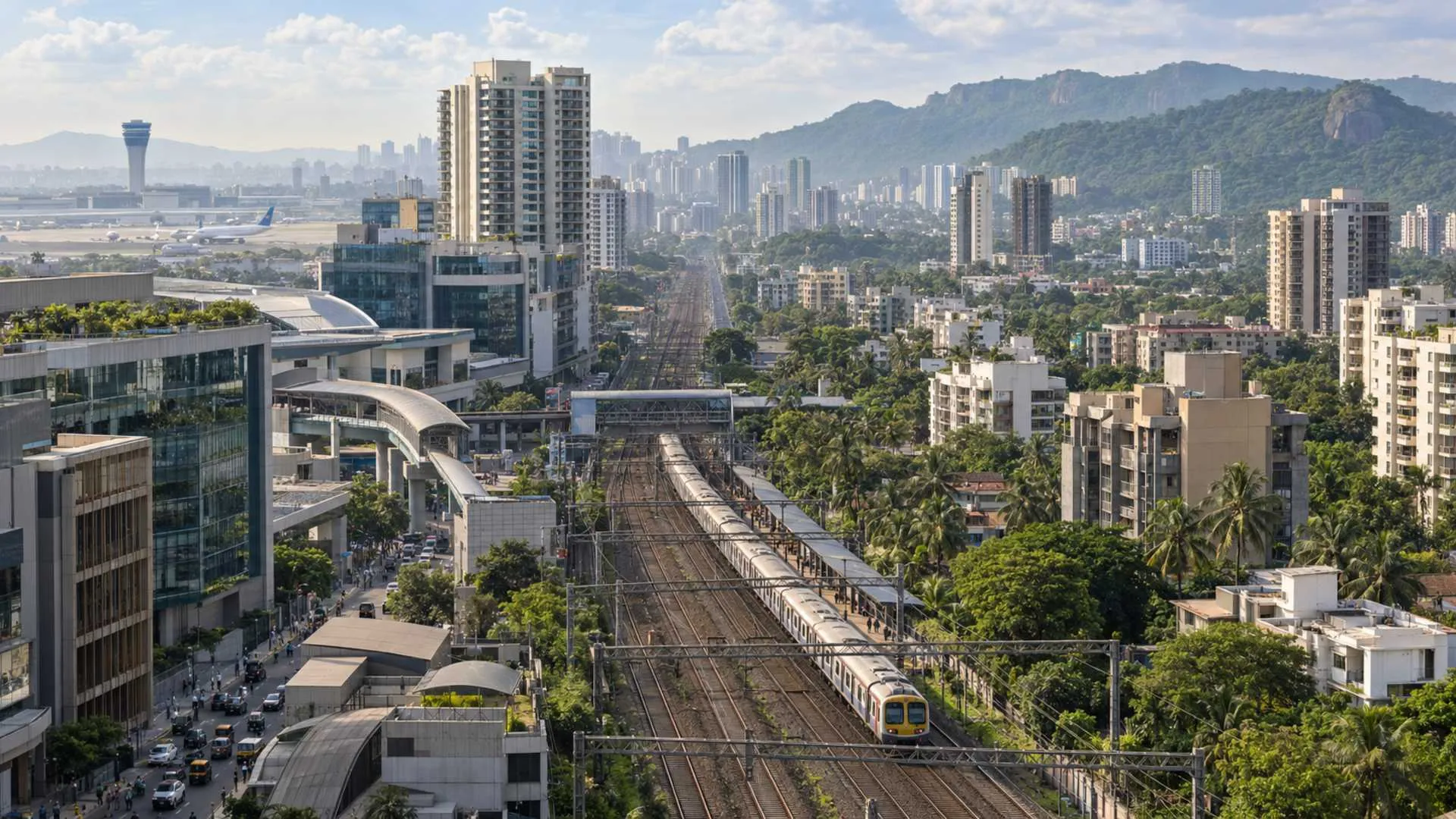
Connectivity is another part of the value proposition. JVLR links Powai towards Andheri and the western suburbs, while the Eastern Express Highway and LBS Road provide access towards Mumbai’s eastern and central corridors.
This combination explains why searches such as Powai IIT Bombay JVLR BKC Eastern Expressway connectivity matter to homebuyers. A buyer is purchasing more than an apartment; they are purchasing access to an already functioning ecosystem.
There is also a powerful prestige effect. Hiranandani Gardens helped turn township-style urban planning into part of Powai’s identity. HomeBazaar June 2026 listings show Hiranandani Empress Hill 3BHK homes starting around ₹5.95 crore, with larger configurations reaching significantly higher.
The result is a neighbourhood where address, developer, building vintage, lake orientation and amenities can materially change pricing within a relatively small radius.
Powai vs Vikhroli vs Kanjurmarg: Is the Premium Justified?
This may be the comparison that matters most for today’s buyer.
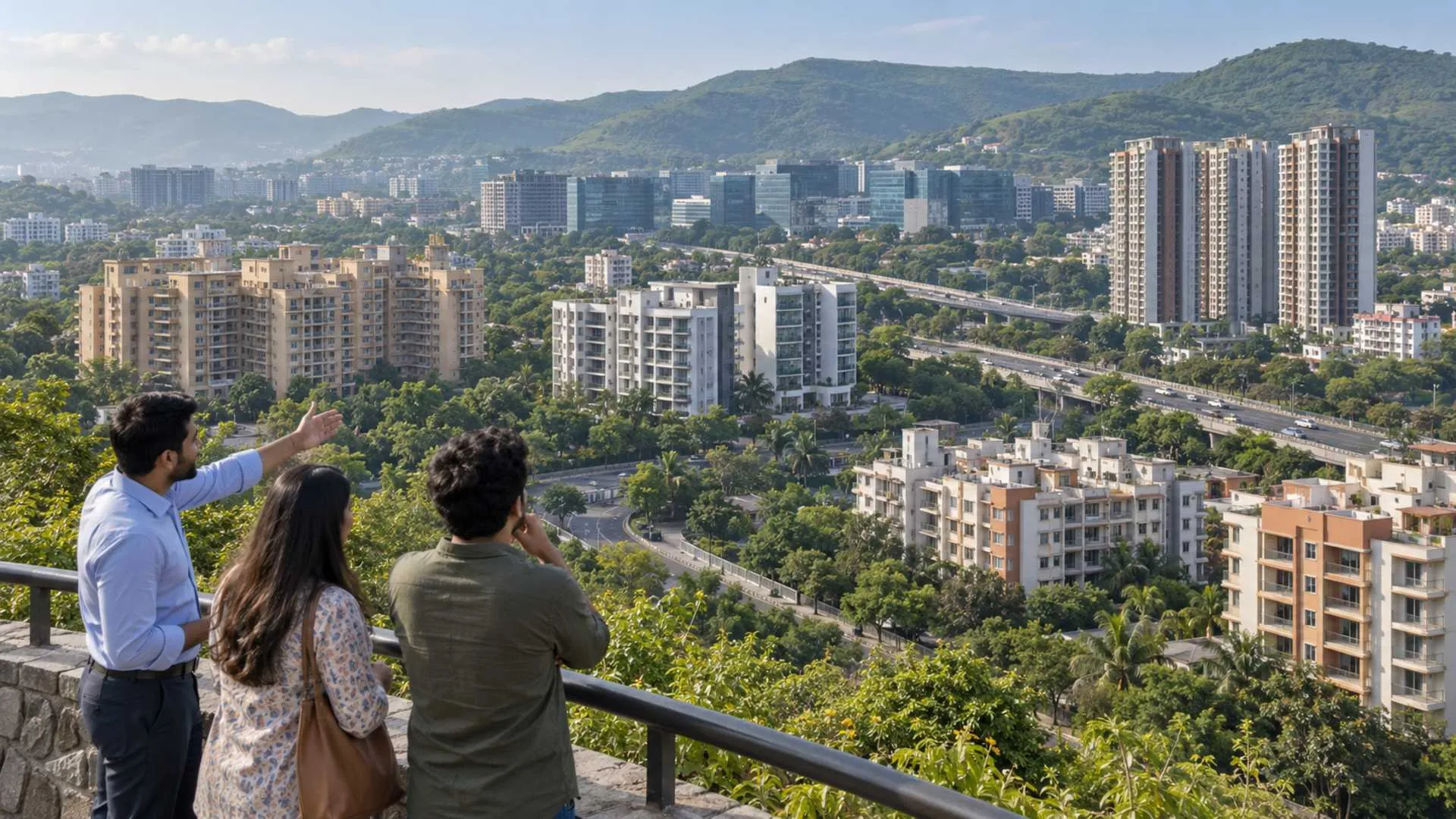
The Propertist estimates that Powai commands roughly a 20–30% premium over adjoining Vikhroli and Kanjurmarg, attributing it to lifestyle, social infrastructure, corporate tenant demand and the lake environment.
But a premium being explainable does not automatically make it worthwhile for everyone.
Choose Powai if: lifestyle quality, established schools, premium gated communities, rental appeal and address value matter more than maximising carpet area.
Consider Vikhroli or Kanjurmarg if: your priority is getting more space for the budget while remaining connected to eastern Mumbai’s employment corridors.
This makes Powai vs Vikhroli vs Kanjurmarg price gap comparison particularly relevant for buyers approaching the ₹2–3 crore bracket. The difference can potentially translate into additional space, a newer apartment, or a lower home-loan burden elsewhere.
Hiranandani Gardens vs Non-Hiranandani Powai
Powai itself has developed distinct pricing tiers.
At the premium core sits Hiranandani Gardens, where established landscaping, retail, schools, healthcare and the recognisable township environment support higher asking prices. Projects and buildings such as Hiranandani Octavius, Verona, Glen Dale and newer premium developments occupy different points within this ecosystem.
Outside that core, buyers encounter options including L&T Emerald Isle and Kanakia Silicon Valley, along with older resale communities and developments towards Chandivali and adjoining pockets.
Housing, for example, lists L&T Emerald Isle Phase II as a gated community with multiple amenities and direct access to Powai’s broader infrastructure.
So, Hiranandani Gardens vs Powai non-Hiranandani comparison should not simply be about price per square foot. Buyers should compare building age, carpet efficiency, maintenance, parking, society condition, traffic access and resale liquidity.
The Cost Nobody Mentions: Living With Powai’s Success
Premium living has friction.
Powai’s biggest weakness is the same thing that makes it valuable: too many people want access to a geographically constrained, employment-heavy neighbourhood. Peak-hour congestion around JVLR and internal roads can reduce the practical advantage of being centrally located.
Then there are recurring ownership costs. Premium gated communities can carry substantial maintenance bills, while high acquisition values mean larger stamp-duty outlays, financing costs and opportunity costs.
The lake itself also requires environmental attention. Contrary to claims that “Powai Lake will be sewage-free by October 2026,” BMC 2026 Civic Diary states that rejuvenation work at Powai Lake is in progress. BMC documents also describe measures intended to stop sewage ingress into the lake.
That distinction matters. Environmental improvement can strengthen neighbourhood appeal, but buyers should not price an unfinished civic outcome as though it has already happened.
Premium or Overpriced? The Verdict
So, is Powai really worth the premium price tag in Mumbai 2026?
For the right buyer, yes.
Powai offers something difficult to recreate quickly: a mature residential ecosystem where education, employment, healthcare, retail, greenery and premium housing have developed together over decades. That scarcity helps explain both its pricing power and rental demand.
But investment discipline matters. At today’s prices, buyers cannot assume that every Powai apartment will outperform simply because it carries the postcode.
The better Powai real estate investment guide Mumbai 2026 strategy is to judge individual assets on carpet-area efficiency, building quality, access, rental demand, maintenance burden and purchase price relative to comparable properties.
Powai is no longer a neighbourhood where buyers hunt for cheap property. It is a market where they must decide how much the lifestyle itself is worth.
The Bottom Line
The debate over Powai Mumbai real estate premium or overpriced 2026 ultimately comes down to what the buyer values.
If your priority is an established premium neighbourhood with strong corporate demand, schools, lifestyle infrastructure and long-term address value, Powai remains one of Mumbai’s strongest residential propositions. If your priority is maximum space per rupee, the 20–30% Powai premium over Vikhroli and Kanjurmarg deserves serious scrutiny.
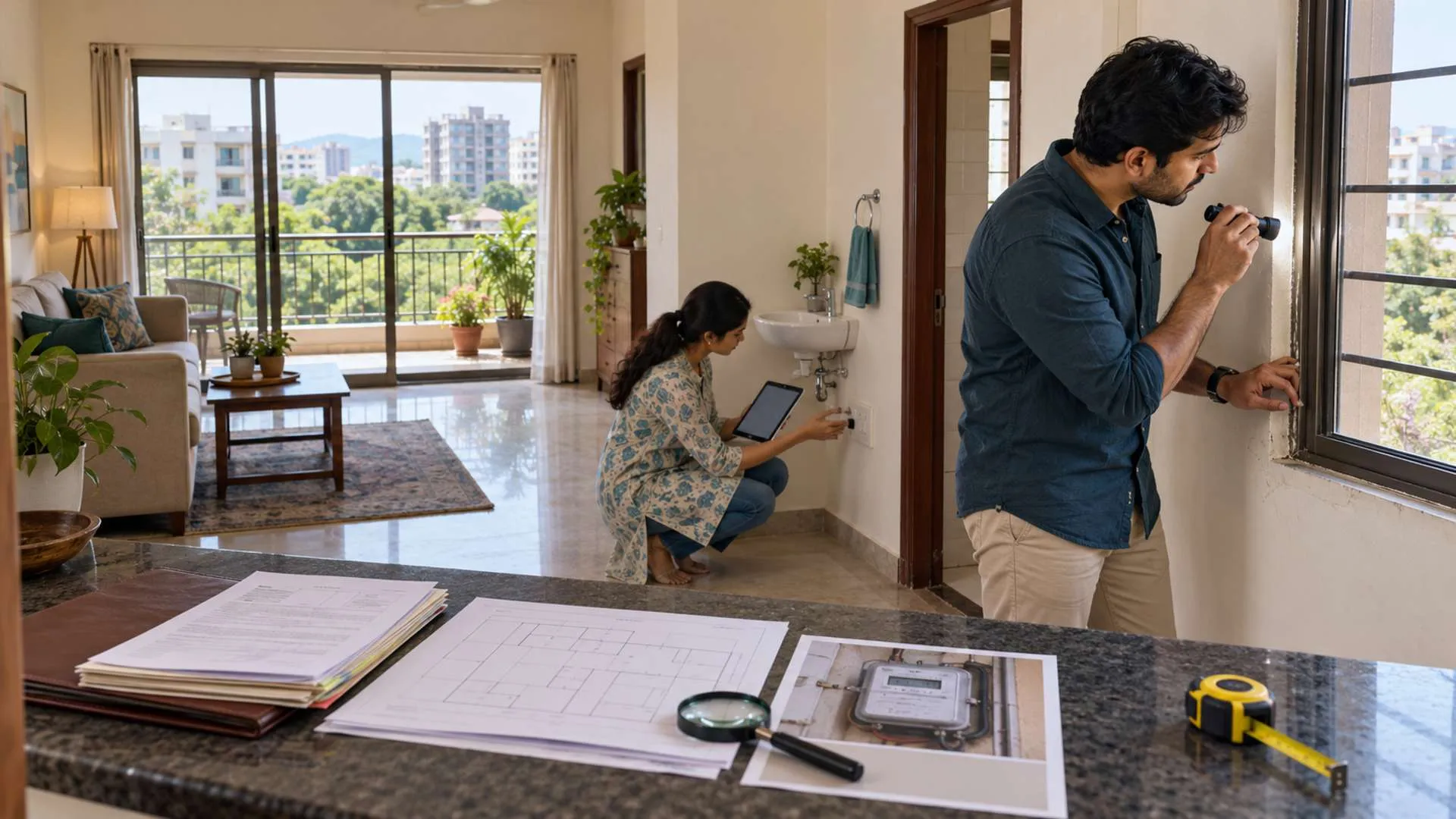
Before booking, compare at least three micro-markets, inspect the actual carpet area and society costs, verify MahaRERA details where applicable, and calculate the full ownership cost, not just the advertised rate.
Thinking of buying in Powai? Compare the lifestyle premium against nearby Mumbai micro-markets before paying for the postcode.