

Wagholi Real Estate in 2026: Is It Still Worth Investing?
SHARE:
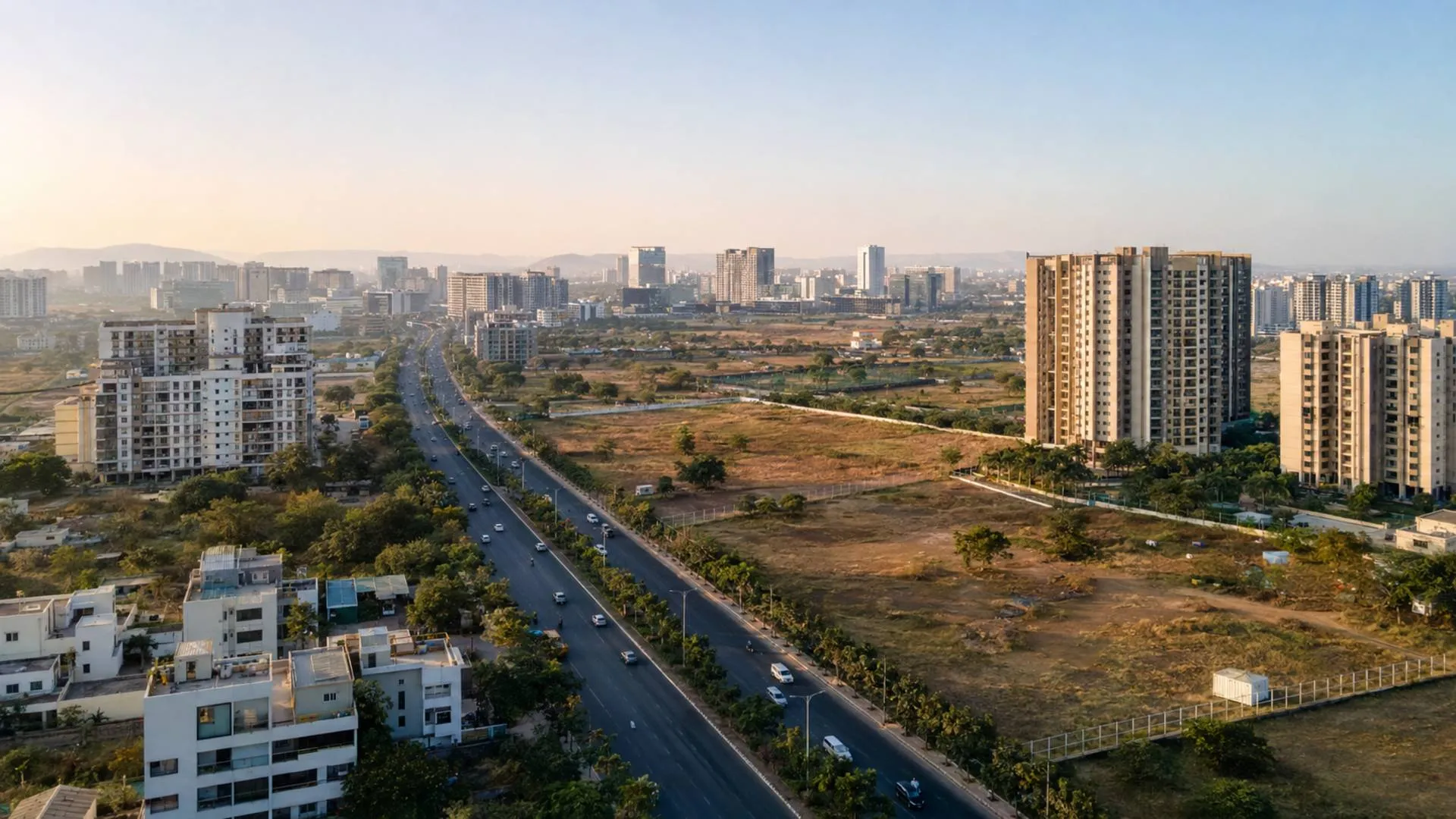
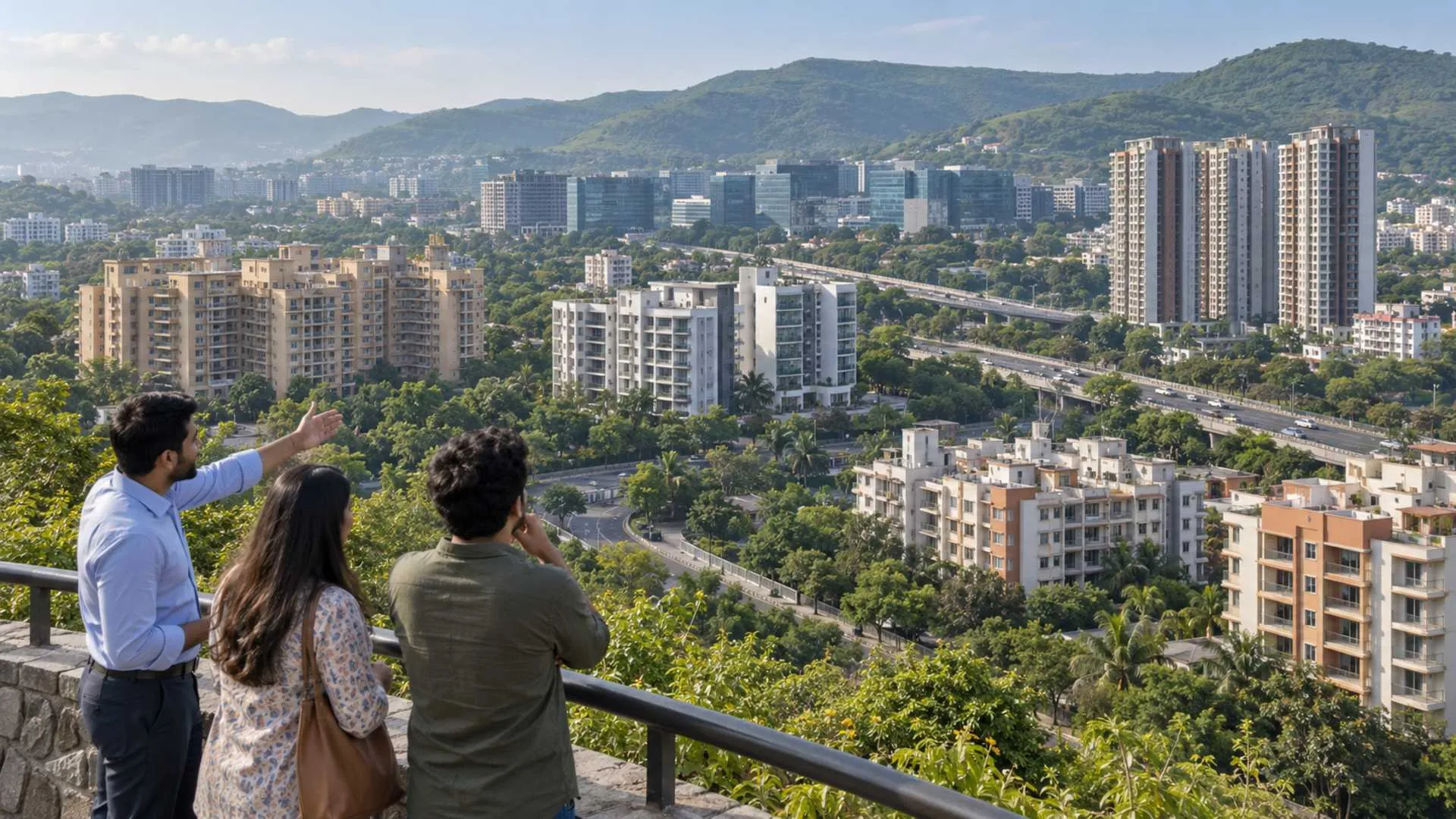
Wagholi is no longer simply Pune’s low-cost eastern edge. The neighbourhood now sits between Kharadi’s employment economy, Nagar Road’s regional connectivity and a growing pipeline of branded residential developments.
That has changed the central question. Buyers are no longer asking only whether Wagholi is affordable. They want to know whether its prices have already climbed too far and whether future infrastructure can support another phase of growth.
The Wagholi property prices investment guide 2026 presents a mixed but compelling picture: lower entry prices than Kharadi, a broad tenant pool and an approved Metro extension, alongside traffic congestion, uneven civic services and considerable under-construction inventory.
Wagholi can still reward a carefully selected, long-term purchase, but locality-wide hype is not a substitute for project-level due diligence.
Is Wagholi Real Estate Worth Investing in 2026?
Wagholi may be worth investing in during 2026 for buyers seeking relatively affordable access to East Pune’s employment belt and willing to hold the property for at least four to five years. Residential rates commonly cited across the locality range from approximately ₹5,500 to ₹7,500 per sq ft, while selected premium developments can cost more. Rental demand comes from Kharadi IT employees, students and workers connected to Pune’s eastern industrial corridor. However, returns will depend on the exact pocket, project quality, civic services and delivery of planned infrastructure.
In other words, the answer to “is Wagholi real estate worth buying right now in 2026?” is yes for the right buyer, not for every buyer or every project.
Wagholi Apartment Prices Show a Market Moving Upmarket
Current Wagholi rates vary widely because online listings may quote carpet-area, built-up-area, or saleable-area prices. Project age, construction status, amenities and proximity to Kharadi can also produce significant differences.
Kolte-Patil Developers’ locality guide places the broad apartment range at approximately ₹5,500–₹7,500 per sq ft, with indicative home prices of ₹40–65 lakh for a 2 BHK and ₹65–95 lakh for a 3 BHK. Property Pilot Ventures provides a wider 2 BHK range of roughly ₹49–79 lakh and notes that premium projects can exceed the locality’s general rate.
These figures make the often-searched “Wagholi 2BHK ₹45–85 lakh first-home affordable East Pune” range broadly plausible. Nevertheless, a buyer seeking a 2 BHK under ₹70 lakh in Wagholi must check whether the quoted price includes parking, floor-rise charges, maintenance deposits, GST where applicable, stamp duty and registration.
Location creates another layer of difference. Homes near Nagar Road, the Kharadi-facing belt, or major township entrances may command a premium, while interior pockets towards Kesnand and Lonikand can be cheaper. A reasonable search range may be:
- Approximately ₹7,000–₹8,500 per sq ft for certain main-road or premium properties
- Approximately ₹5,500–₹6,500 per sq ft in more affordable interior pockets
- A much wider range for plots, depending on title, zoning, access road and infrastructure
The frequently cited Wagholi plotted-development range of ₹2,800–₹6,200 per sq ft should not be treated as a universal benchmark. Plot buyers require additional checks covering title, sanctioned layout, access, zoning and non-agricultural status.
Some portals describe Wagholi as approximately 40–50% cheaper than Kharadi. One supplied market guide also frames its mainstream price as about 46% below a stated Pune average. Such comparisons are directional because city averages combine very different localities and property categories.
Why Kharadi’s Employment Engine Matters
Wagholi’s investment case is closely connected to EON IT Park, World Trade Center Kharadi and the wider Kharadi office district. Magarpatta and the industrial belts around Sanaswadi, Shikrapur and Ranjangaon add other sources of housing demand.
This diversified catchment is important. A neighbourhood supported only by speculative buying can slow sharply when sentiment changes. Wagholi has an end-user base comprising IT professionals, industrial employees, students and families seeking larger homes below Kharadi prices.
Kolte-Patil’s Wagholi guide highlights connectivity with Kharadi, Hadapsar and major eastern employment zones as a reason for the locality’s residential growth.
The phrase “Wagholi 9% annual growth from Kharadi spillover demand in 2026” should still be treated as an estimate rather than a guaranteed market-wide return. Historical appreciation differs by project and measurement method. Even supplied sources disagree on current rates, demonstrating why buyers should compare registered transactions and equivalent properties instead of relying on a single locality average.
Likewise, the reported 54% appreciation across Pune’s northeast corridor is corridor-level context, not proof that every Wagholi apartment rose by 54%.
Will the Metro Push Wagholi Property Prices Higher?
The Metro is a genuine catalyst, but it is not yet an operating convenience.
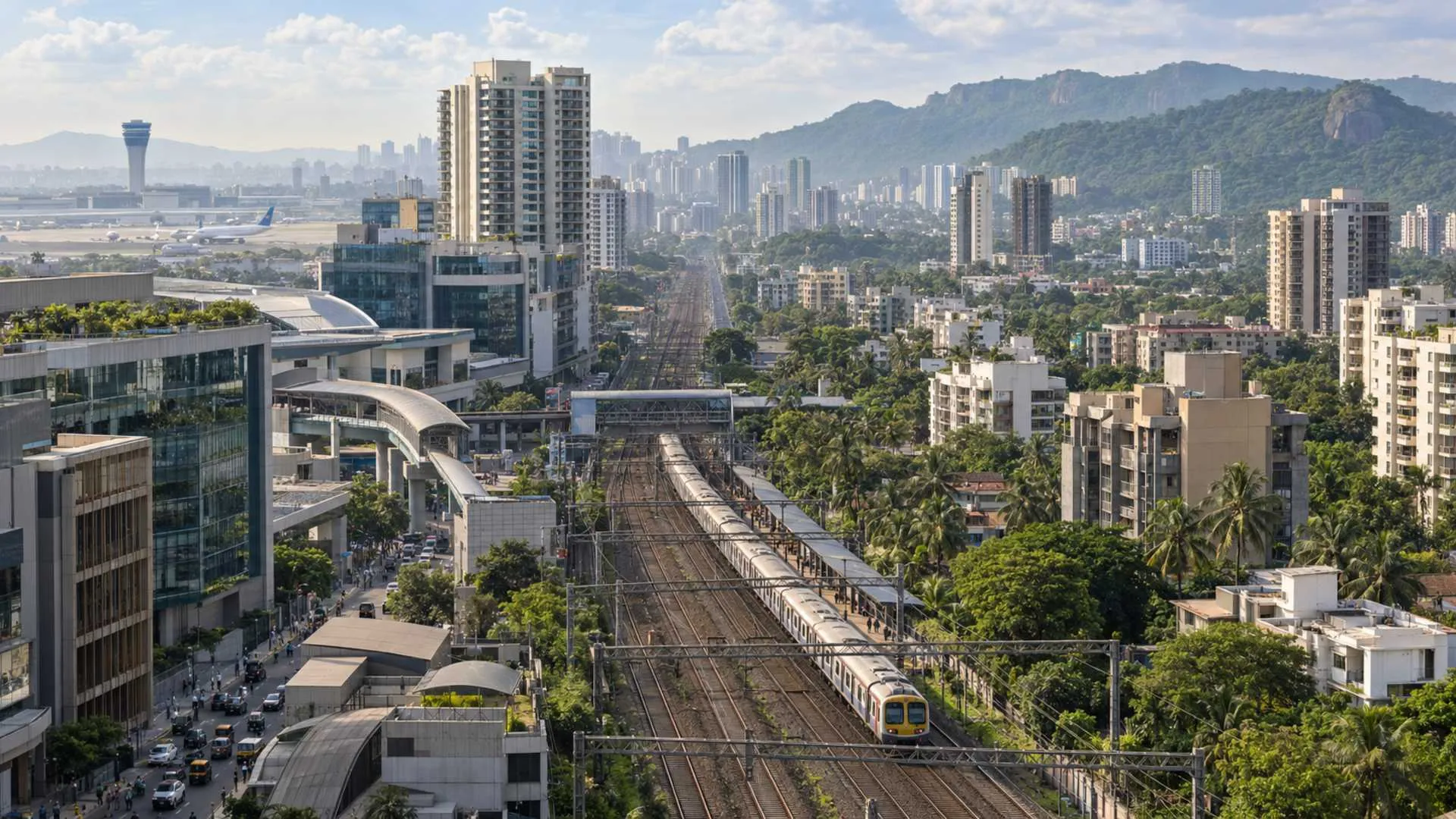
The Union Cabinet approved Pune Metro Phase 2 in June 2025. The two elevated extensions, Vanaz to Chandani Chowk and Ramwadi to Wagholi/Vitthalwadi, will cover 12.75 kilometres with 13 stations, according to the Press Information Bureau. Their combined estimated cost is ₹3,626.24 crore, and the approval provides a four-year implementation schedule.
The government expects the extension to connect Kharadi and Wagholi with Pune’s wider Metro network and help decongest Nagar Road. It also projects incremental Line 2 ridership of 96,000 passengers per day in 2027, rising to 2.01 lakh by 2037.
This supports interest in Wagholi-Kharadi bypass road property appreciation, but buyers should not automatically add a 15–25% “Metro premium” to future valuations. That range is a market projection appearing in property commentary, not a promised return.
Infrastructure can create value only when execution, station accessibility and last-mile connections improve the lived commute. A project marketed as “Metro-connected” may still be several kilometres from a station.
Road upgrades and the proposed Pune Ring Road could improve regional movement over time. However, the supplied sources describe different schedules, so both should be treated as medium-term developments rather than completed advantages.
Wagholi Versus Kharadi, Hadapsar and Manjri
The Wagholi versus Kharadi property price comparison for 2026 is primarily a choice between lower entry cost and a more established employment address.
Kharadi typically has stronger immediate office access, premium social infrastructure and deeper rental demand, but homes commonly cost considerably more. Wagholi offers more space per rupee and greater exposure to future infrastructure, while accepting longer commutes and less consistent civic conditions.
Hadapsar has a broader established ecosystem around Magarpatta, schools, hospitals and retail. Its suitability depends heavily on the buyer’s workplace because travelling from Wagholi to Hadapsar during peak hours can reduce the apparent price advantage.
Manjri is another affordable spillover market with access to the Hadapsar side of East Pune. Wagholi may suit buyers linked to Kharadi or Nagar Road, while Manjri can be more logical for employment around Hadapsar and eastern Pune.
For an IT professional, the best answer to “Wagholi or Kharadi, which is better?” depends on budget and daily travel. Kharadi offers convenience at a premium; Wagholi offers affordability with infrastructure and commute risk.
Rental Yield: Attractive, but Verify the Mathematics
Supplied market guides estimate Wagholi’s gross rental yield at approximately 3–5%, although figures vary by project. Property Pilot Ventures cites monthly rent of about ₹24,000 for a typical 2 BHK in 2025, while broader 2026 asking rents are often discussed in the ₹17,000–₹25,000 range.
A ₹60 lakh apartment earning ₹22,000 monthly produces ₹2.64 lakh in annual rent, or a 4.4% gross yield. The net yield will be lower after maintenance, vacancy, property tax, repairs, brokerage and furnishing costs.
Kharadi may achieve higher rent, but its purchase price is also higher. Therefore, claims such as “Wagholi rental yield 3–5% versus Kharadi 5–7%” must be tested using two genuinely comparable homes. Asking rent is not the same as rent received, and gross yield is not take-home return.
Can You Afford a Wagholi Flat on Your Salary?
A buyer earning ₹60,000 per month should not assume that a ₹60 lakh loan is automatically affordable. If total EMIs are limited to roughly 30–40% of take-home income, the comfortable monthly repayment range may be around ₹18,000–₹24,000.
Actual eligibility depends on interest rate, tenure, age, credit score, existing debt and whether there is a co-applicant. A ₹45–85 lakh home may require a larger down payment or combined household income.
This is the practical answer to “can I afford a flat in Wagholi on my salary in Pune in 2026?” Calculate the all-inclusive acquisition cost first, preserve an emergency fund and obtain loan pre-approval from banks such as SBI or HDFC without assuming that the lowest advertised rate will apply to every borrower.
Which Wagholi Projects Should Buyers Examine?
Wagholi now includes entry-level apartments, established townships and premium branded developments. The supplied references mention projects such as Kolte Patil Springshire and Ivy Estate, alongside newer options from multiple developers.
Synergy Infracon lists Springshire at an indicative ₹70 lakh–₹1.02 crore for 2 and 3 BHK homes, with RERA possession stated as March 2028. Prices, availability and completion dates must be reconfirmed with the developer and MahaRERA.
Searches for Yashodha Skyrise, Yashodha East Rise, or Panchshil plots in Wagholi require the same verification. Claims such as a ₹73 lakh 2 BHK or plots priced at ₹6,000–₹7,000 per sq ft should not be published as current facts without an official cost sheet and identifiable RERA record.
A buyer comparing the best Wagholi projects under ₹70 lakh should examine:
- RERA carpet area and all-inclusive price
- Water supply and municipal jurisdiction
- Access-road width and peak-hour travel time
- Developer delivery history
- Current construction stage and RERA completion date
- Achievable rent in the same society
The 2026 Verdict
Wagholi remains a value-led East Pune market, not a guaranteed appreciation shortcut. Its strongest advantages are proximity to Kharadi’s employment base, lower entry prices and an approved Metro connection. Its limitations include traffic, uneven pocket-level infrastructure and execution risk in under-construction projects.
Owner-occupiers working in East Pune may find the value proposition more convincing than short-term investors. Investors should target established access roads, credible developers and properties capable of generating rent without waiting for the Metro.
The smartest Wagholi purchase in 2026 will not necessarily be the cheapest or most advertised. It will be the home whose price, location, documentation and holding horizon still make sense if infrastructure takes longer than expected.
Considering a home or investment in Wagholi? Compare at least three RERA-registered projects, calculate the complete ownership cost and inspect the commute during peak hours before paying a booking amount. For a verified project comparison, connect with RealtyConnect.