

Mumbai’s ₹2 Crore-Plus Luxury Property Market: Rents, Costs and Returns
Explore Mumbai’s ₹2 crore-plus luxury property market in 2026
SHARE:
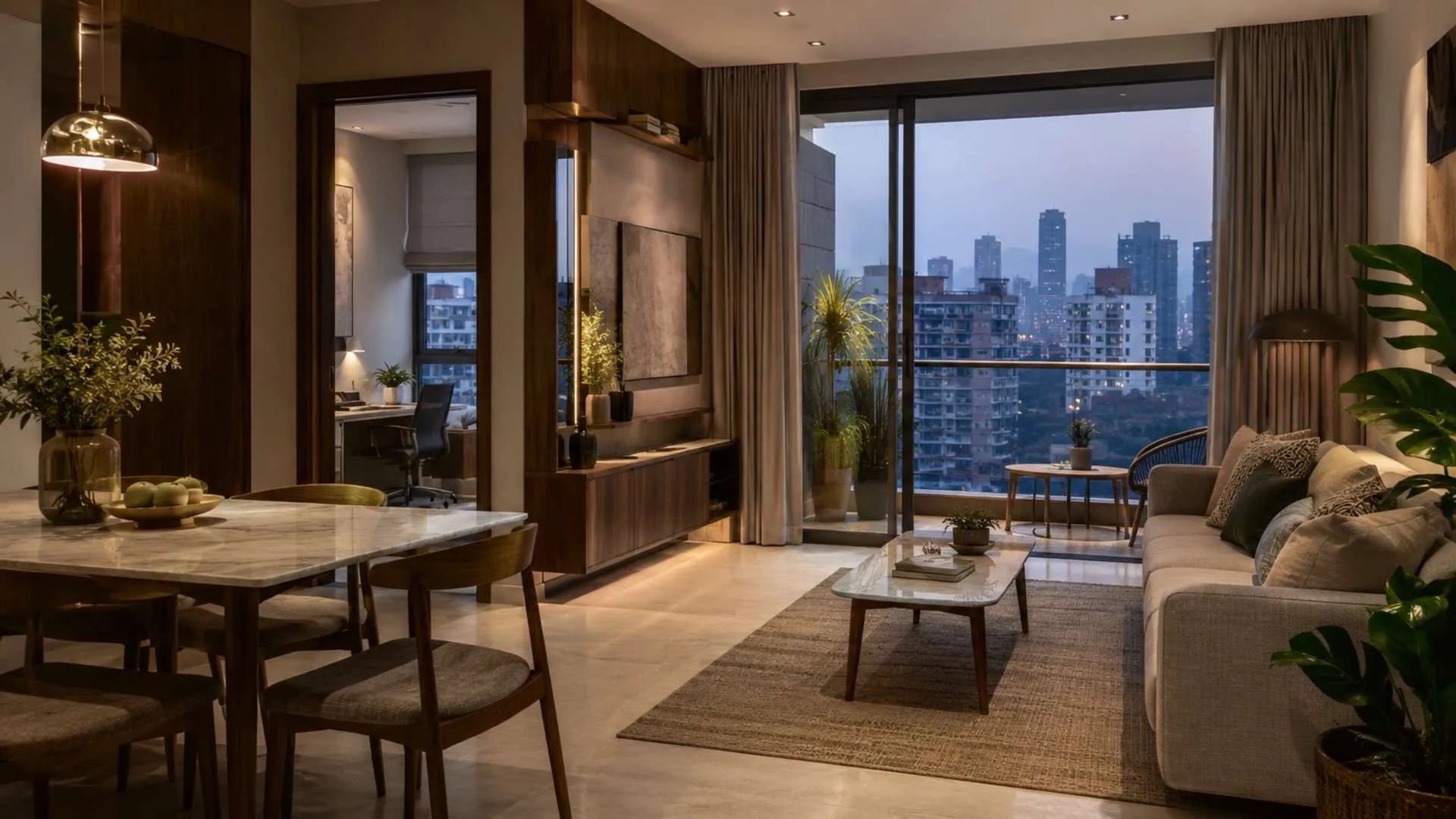
In Mumbai, ₹2 crore no longer guarantees the conventional picture of luxury: a sea view, an expansive living room and an address close to the city’s financial core. In 2026, it is more accurately the entry ticket to value luxury, a well-planned compact home, branded amenities and improved connectivity in selected suburbs.
The Mumbai luxury segment for ₹2 crore-plus properties in 2026 is expanding as buyers move beyond basic housing towards larger layouts, gated communities and lifestyle-focused projects. Yet the investment mathematics is often misunderstood. High monthly rent does not automatically produce a high rental yield, while an impressive launch price can conceal substantial taxes and recurring costs.
For most buyers, a ₹2 crore Mumbai home is primarily a long-term appreciation and lifestyle asset, not a high-income rental product.
How Much Monthly Rent Can a ₹2 Crore Mumbai Property Earn?
A ₹2 crore property in Mumbai may generate approximately ₹40,000 to ₹70,000 in monthly rent, depending on its location, carpet area, building quality, furnishings and proximity to employment centres. That translates into a gross rental yield of roughly 2.4% to 4.2% before maintenance, vacancy, brokerage, property tax and income tax.
The answer to “₹2 crore Mumbai property pe monthly kitna rent milega?” changes dramatically across micro-markets. A compact unit in Powai or Andheri East with corporate-tenant demand may rent for more than a larger apartment in a distant residential pocket.
Indicative 2026 rental data published by RentVsBuyIndia places two-bedroom rents at around ₹55,000–₹70,000 a month in Andheri East and ₹40,000–₹55,000 in Powai. These are broad market ranges rather than valuations for a specific property.
If a ₹2 crore flat earns ₹55,000 a month, its annual rent is ₹6.6 lakh, producing a 3.3% gross rental yield. After maintenance, vacancy and leasing expenses, the net yield will be lower.
This is why a Mumbai ₹2 crore property rental-yield investment guide must examine both income and potential capital appreciation.
Where Does a ₹2 Crore Budget Still Work?
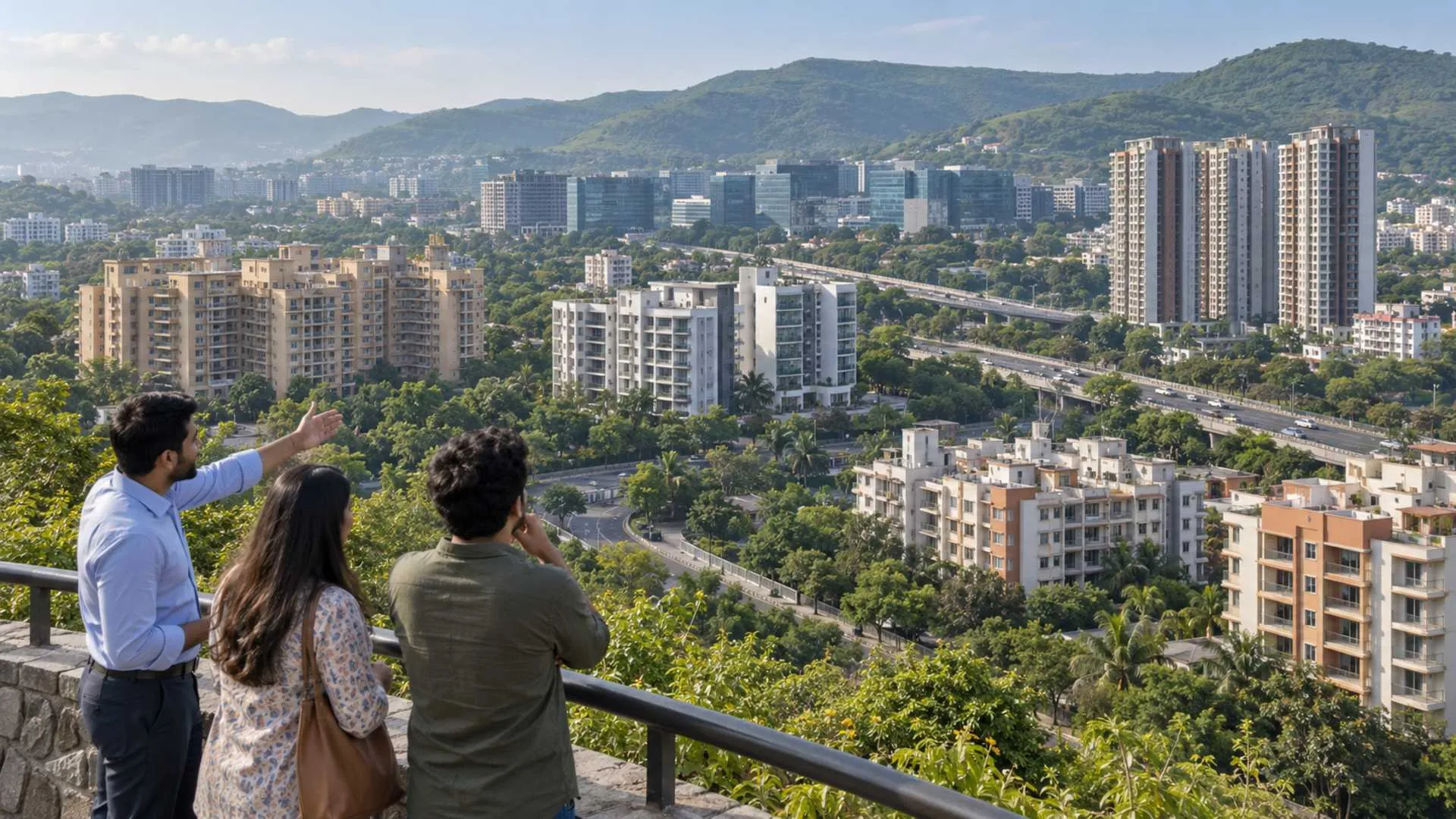
The meaning of luxury changes with geography. In Worli, Bandra West or prime South Mumbai, ₹2 crore may not secure a conventional luxury apartment. In Kandivali, Malad, Jogeshwari, Kanjurmarg, Bhandup, Mulund and parts of Thane, the same budget can enter a gated project with modern amenities.
According to Synergy Infracon, ₹2 crore can generally purchase a 500–600 sq ft one-bedroom or a compact 550–700 sq ft two-bedroom home in selected mid-belt suburbs. Its guide identifies the Malad-Kandivali belt at approximately ₹22,000–₹30,000 per sq ft, while Chembur, Vikhroli and Powai are placed within a wider ₹25,000–₹40,000 range.
These figures are indicative and can vary by tower, floor, view, construction status and developer. Buyers searching for the best ₹2 crore luxury apartment in Mumbai in 2026 should compare RERA carpet area rather than relying on super built-up area or marketing labels.
A practical area-wise picture looks like this:
- Andheri East and Jogeshwari East: Strong office, airport, metro and BKC connectivity support corporate rental demand.
- Powai: A mature premium residential ecosystem attracts professionals, families and senior corporate tenants.
- Malad and Goregaon: Buyers receive a wider project choice, with established retail and commercial infrastructure.
- Chembur and Ghatkopar: Central connectivity makes compact premium homes attractive to end-users.
- Mulund and Thane: Larger apartments and township amenities can improve value for families, although Thane falls outside BMC limits.
A ₹2 crore flat in Andheri East, Mumbai, in 2026 may deliver better rent than an equivalent home in a quieter residential market. A ₹2 crore apartment in Powai with a lake view could command a premium, but the purchase price may rise even faster than rent, limiting yield.
Why ₹2–5 Crore Homes Are Becoming Mumbai’s New Luxury Core
The ₹2–5 crore category now sits at the centre of Mumbai’s premiumisation story. It attracts business owners, senior professionals, dual-income families, NRIs and buyers upgrading from older apartments.
A 100acress market report states that Mumbai recorded 97,188 housing sales in 2025, with the ₹2–10 crore category gaining momentum. It also reports that new supply declined by approximately 10% to 87,114 units, while unsold inventory fell 6% to 155,604 units by year-end.
The figures point towards a market selling fewer entry-level homes and more expensive, amenity-rich properties. For developers, premium housing offers better margins and allows stronger differentiation through clubhouses, wellness areas, private decks, concierge-style services and branded design.
Superluxere interprets Mumbai’s luxury surge as evidence of a new wealth class prioritising privacy, location and living quality. That is a useful market perspective, although it should not be read as proof that every luxury project will appreciate.
Which Mumbai Area Offers the Best Luxury Rental Yield?
The highest rent and the highest yield are rarely found in the same location.
South Mumbai, Worli and Bandra West can command exceptional monthly rents, but acquisition prices are so high that gross yields commonly remain modest. A ₹20 crore home earning ₹1 lakh a month, for example, would produce only a 0.6% annual gross yield. Even a Worli home worth ₹10–20 crore earning ₹3–4.5 lakh monthly could still generate a relatively low yield after costs.
By contrast, Andheri East, parts of the central suburbs, Mulund, Thane and Navi Mumbai may offer better rent-to-price ratios. Mumbai residential gross yields commonly fall near 2% to 4%, while some outer-corridor properties can perform better.
Claims that Central Mumbai delivers a universal 4.87% luxury rental yield should be treated cautiously. Yield is property-specific and depends on the actual acquisition cost and realised rent. It should not be assigned to an entire region without a defined dataset.
Corporate leases can reduce vacancy and improve rent stability, particularly near BKC, Powai and major commercial corridors. However, an MNC corporate tenant does not guarantee a 4–5% net yield. Furnishing costs, maintenance and brokerage still influence the final return.
What Are the Hidden Costs Beyond ₹2 Crore?
A ₹2 crore agreement value is not the buyer’s final cost. The hidden costs beyond a ₹2 crore Mumbai price tag may add several lakhs, or considerably more for an under-construction home.
Key expenses include:
- Stamp duty, which varies by buyer profile and applicable local levies
- Registration charges, subject to the prevailing Maharashtra fee structure
- GST on qualifying under-construction residential property
- Parking, floor-rise, clubhouse and infrastructure charges
- Advance maintenance and corpus-fund contributions
- Legal review, loan processing, brokerage and interior work
In Maharashtra, stamp duty typically varies between approximately 5% and 7%, depending on location and transaction conditions. Registration should not automatically be calculated as 1% on a ₹2 crore property because a statutory ceiling may apply; buyers must check the current amount through the Inspector General of Registration and Stamps portal.
GST is generally 5% without input tax credit on non-affordable under-construction residential property. It is not ordinarily charged on ready-to-move homes that have received the required completion certification or on typical resale transactions.
Consequently, total purchase expenses may reach approximately 8–10% above the quoted price in some under-construction transactions once taxes and project-level charges are combined. The exact figure must be calculated from the developer’s itemised cost sheet.
Luxury maintenance can also be significant. Depending on apartment size, amenities and society policies, premium buildings may charge anywhere from several thousand rupees to tens of thousands per month. The widely quoted ₹15,000–₹60,000 range may occur in premium developments, but it is not a standard Mumbai-wide tariff.
Buy or Rent a ₹2 Crore Apartment in Mumbai?
The ₹2 crore buy-versus-rent Mumbai EMI comparison for 2026 often favours renting in the short term.
Assume a buyer finances ₹1.5 crore after making a ₹50 lakh down payment. Even before adding maintenance and taxes, the monthly EMI could substantially exceed the ₹50,000–₹70,000 rent for a comparable home, depending on the loan rate and tenure.
Renting may be better when:
- The buyer may relocate within five years
- The preferred locality has a low rental yield
- The down payment can earn stronger returns elsewhere
- The purchase would create an uncomfortable EMI burden
Buying becomes more compelling when the purchaser expects to remain for seven to ten years or longer, values security of tenure and can absorb transaction costs without exhausting emergency savings.
Therefore, is buying a ₹2 crore apartment better than renting in Mumbai? It depends less on prestige and more on the holding period, financing cost and opportunity cost of capital.
Appreciation Play or Income Play?
Mumbai luxury property is generally an appreciation play first and an income play second. Limited land, redevelopment, employment concentration and infrastructure can support long-term values, but neither 9–12% annual appreciation nor any other return is guaranteed.
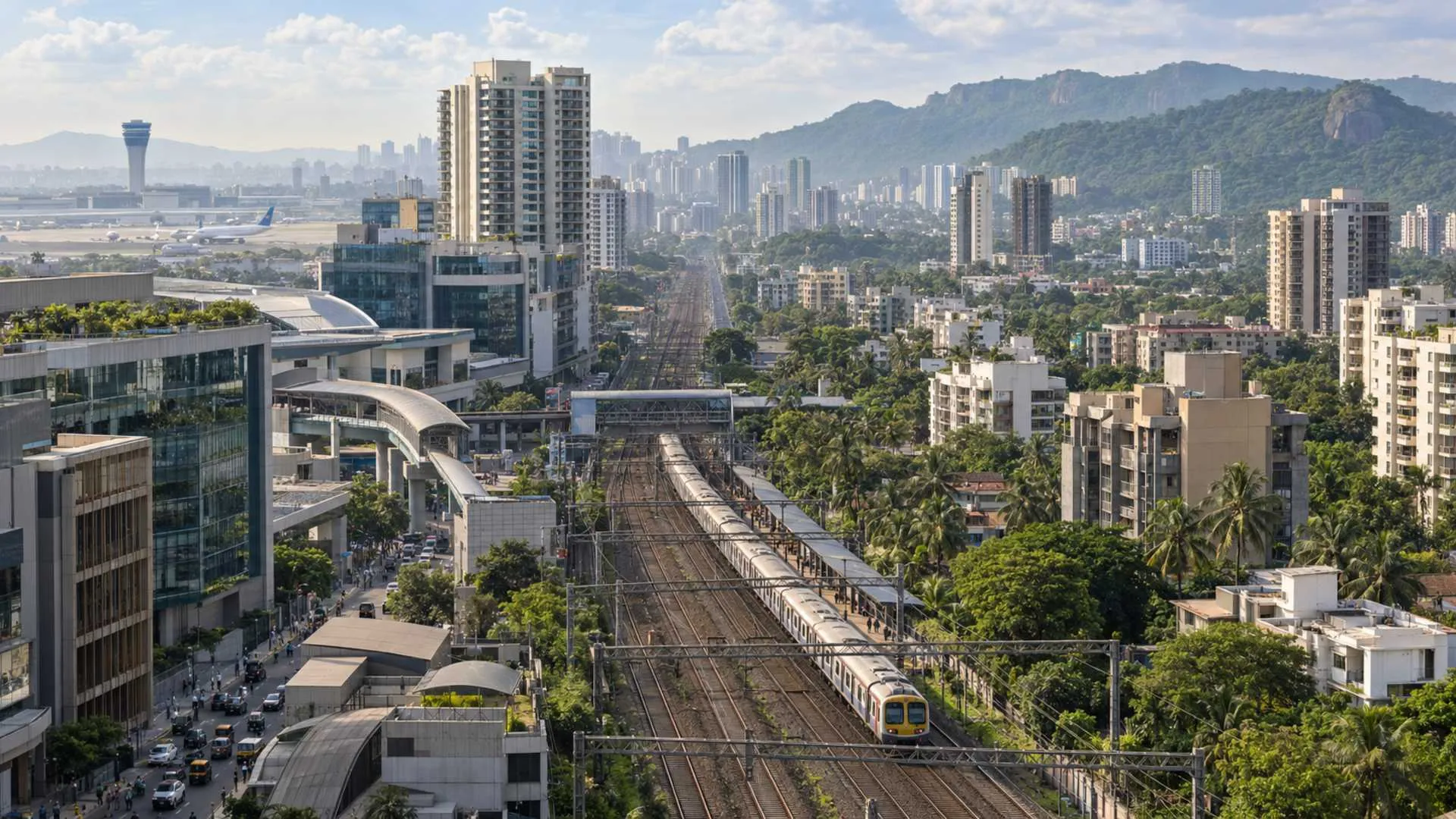
Properties near operating metro stations, established commercial hubs and strong social infrastructure may have a more defensible investment case. Future infrastructure can add upside, but buyers should separate operational connectivity from proposed projects and uncertain completion schedules.
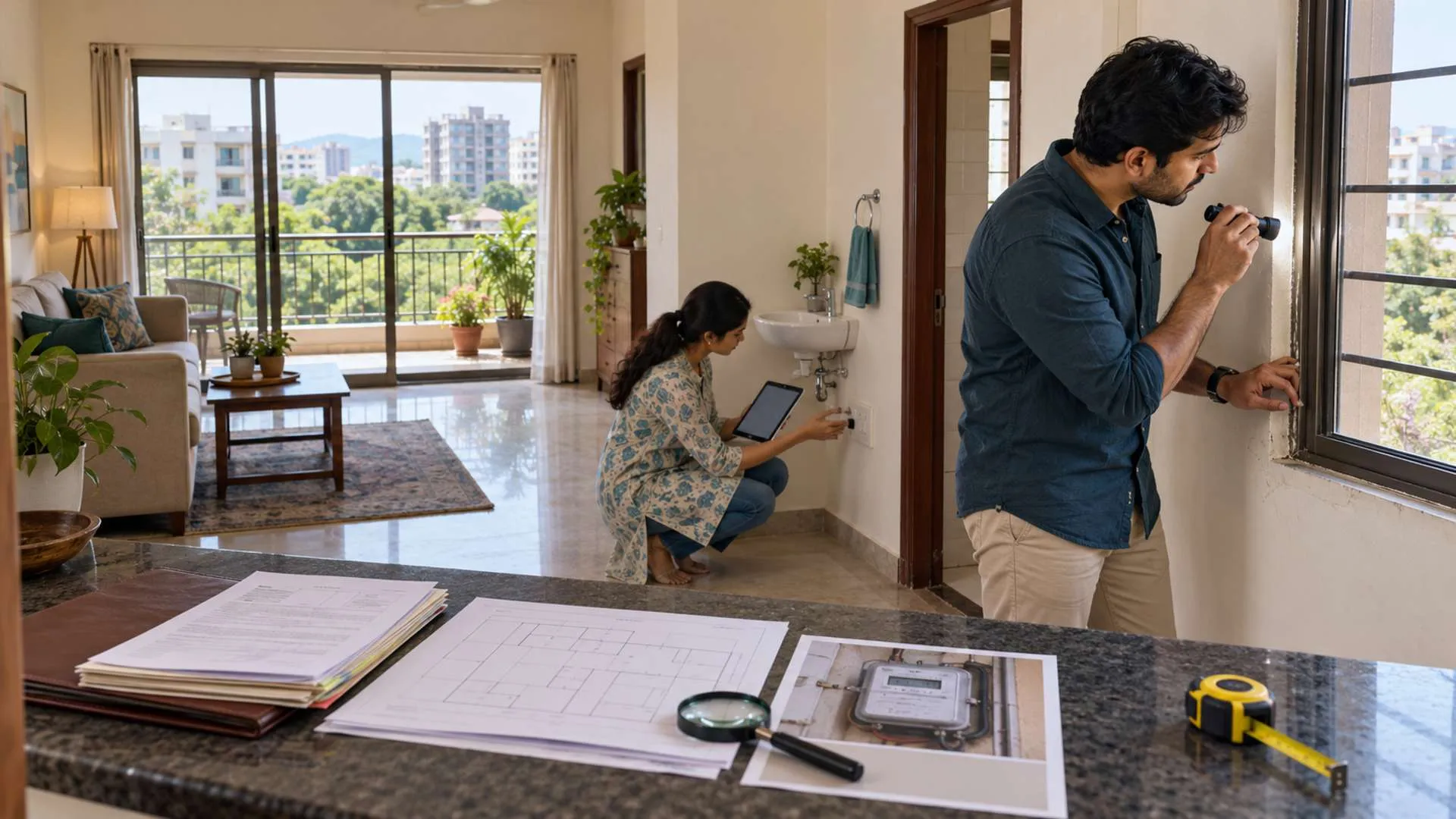
Before purchasing, verify the MahaRERA registration, carpet area, title documents, construction progress, possession date and developer history. For projects such as Kanakia Silicon Valley in Powai or Ruparel Arista in Mulund, use the current MahaRERA record and an itemised quotation rather than relying on a generic online price review.
The smartest ₹2 crore-plus purchase in Mumbai is not necessarily the apartment with the grandest lobby. It is the one where usable space, tenant demand, total cost and long-term location value align.
Mumbai’s luxury segment will continue creating excitement for developers and buyers, but disciplined selection will separate lifestyle purchases from sound investments.
Planning to enter Mumbai’s ₹2 crore-plus property market? Compare verified projects, calculate the net rental yield and request a complete cost sheet before booking your site visit.